Deliver the Work
Your company should be able to turn what was sold into what was promised without you holding every piece together.
The sale is only the beginning.
Someone has to onboard the customer, collect what is needed, schedule the work, coordinate the handoffs, keep the customer informed, handle changes, and bring the job to completion.
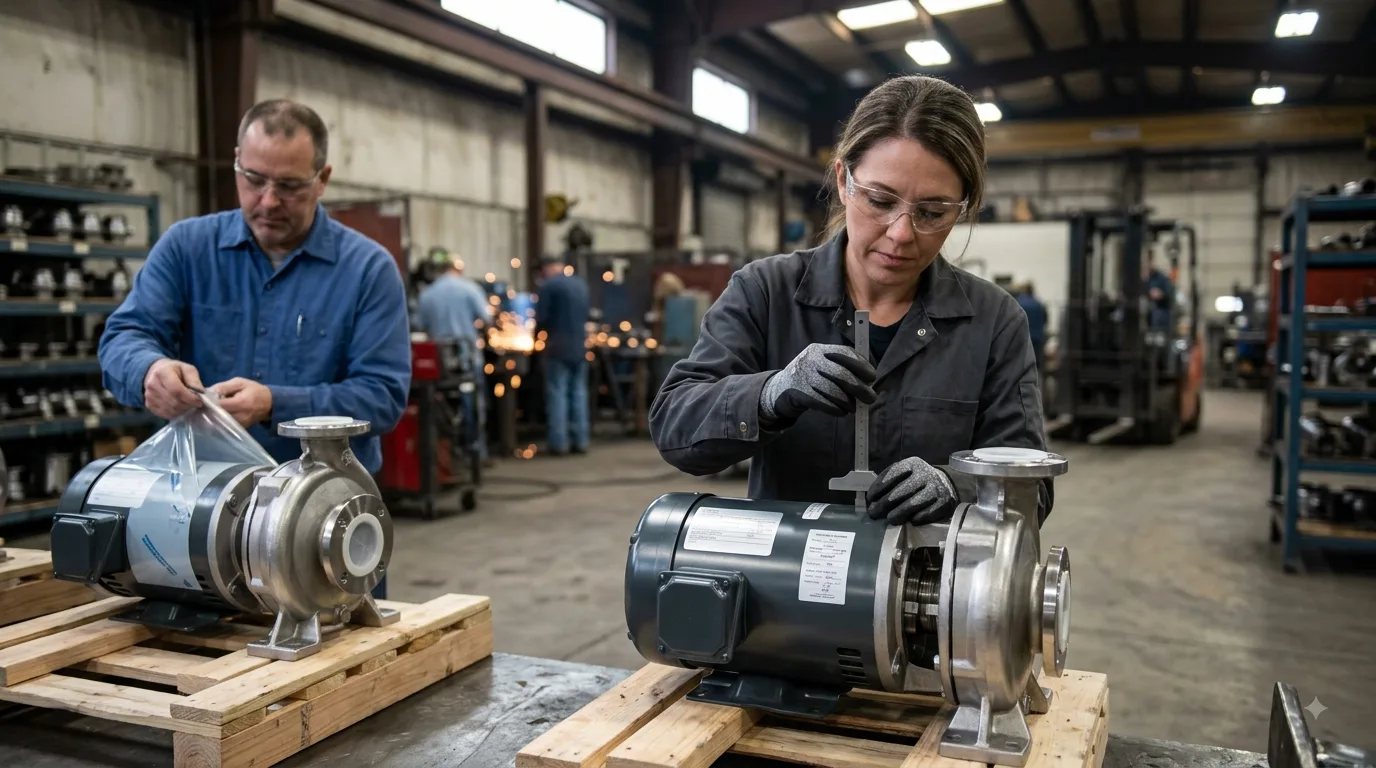
What it looks like when Deliver the Work breaks.
Can your company deliver the work without you holding every piece together?
When jobs only move because you chase them, coordinate them, or answer for them, that dependency creates Executive Tax.
We start with the responsibility, not the tool.
Ecrof looks at how work moves from the moment it is sold: what has to be collected, who picks it up next, what the customer should hear and when, and where the work currently stalls waiting on a person.
What actually gets built depends on what the responsibility needs. We do not start with a feature list.
If this is where your business keeps needing you, let’s find out whether Ecrof is the right fit.
What it looked like in a real business.
less document-management labor
routine weekly status calls
Heavenly Ink Credentialing. Staff stopped searching shared drives to assemble provider applications, and clients stopped calling for updates because communication now fires as the work moves.
We measure whether the responsibility actually moved.
For deliver the work, that usually means cycle time, handoff delays, rework, and how many jobs complete without founder intervention.
Every engagement starts with a baseline and is measured against the work we agreed should move.
Every business has three jobs.
Most owners arrive certain about one and discover the real cost sits in another.
Your company should be able to create and convert opportunity without you personally pushing every deal forward.
Keep the business moving while the work is in motion.
Where does the responsibility live? Learn how Ecrof organizes work across Operational Departments
Ready to make more of the work move without you?
If you already know deliver the work depends too heavily on you, apply and we will tell you honestly whether Ecrof is the right next step.
Win, Deliver and Run describe what the business has to carry, not packages you buy.